


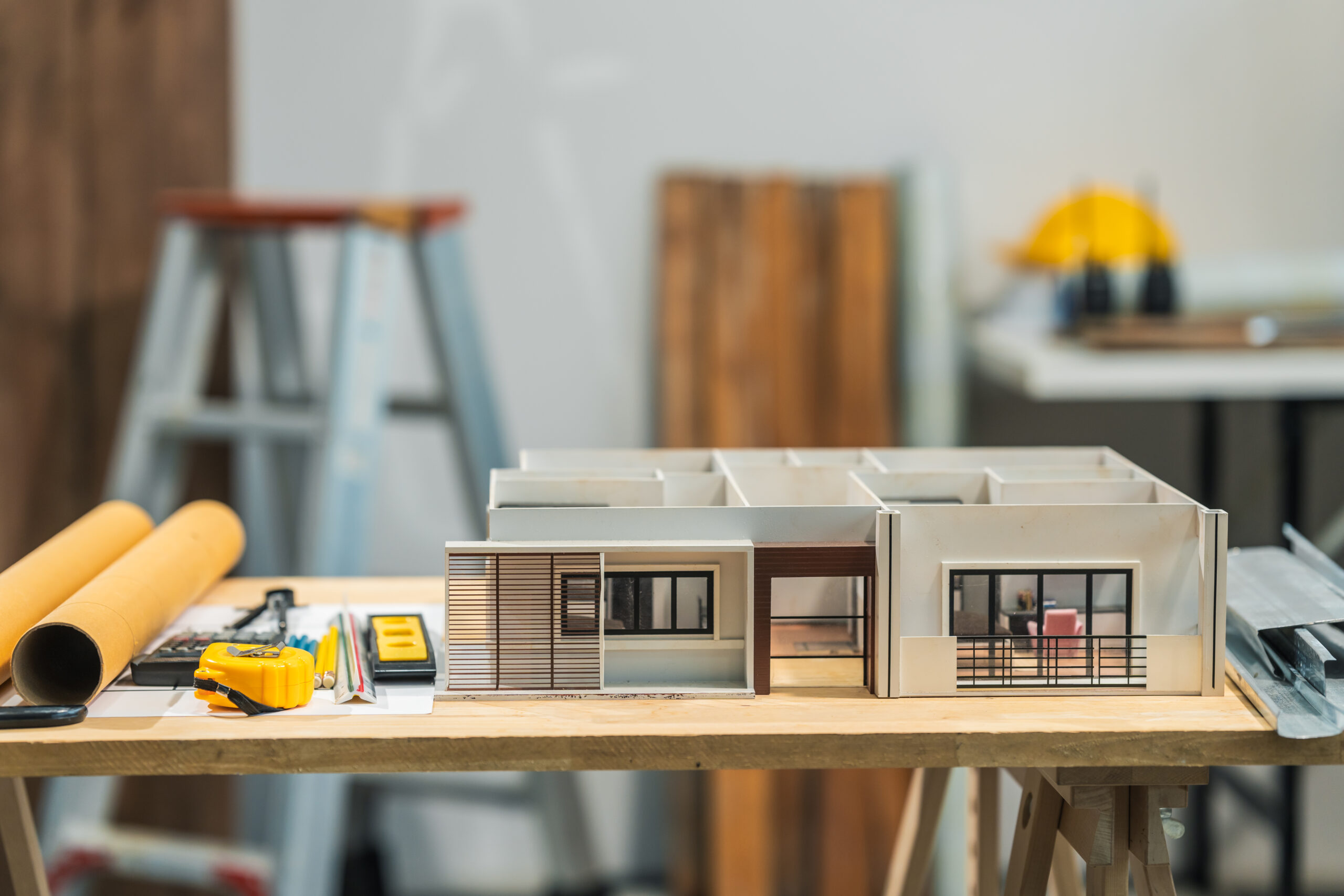
A custom home starts as an idea, and ideas don’t automatically become something structurally sound, code-compliant, and buildable within a real budget. That gap, between what someone imagines and what actually gets built, is where a lot of custom projects run into trouble. Usually because nobody addressed it properly before construction ever started.
Closing that gap through solid Architecture in Glendale, CA means turning a vision into drawings and plans a builder can actually execute, without stumbling into problems halfway through construction that should’ve been caught on paper.
Site Conditions Shape What’s Actually Possible
Hillside terrain, varying lot sizes, soil conditions specific to Glendale, all of it affects what can realistically get built on a given piece of land. A design that ignores this tends to run into expensive surprises the moment construction actually begins.
Real assessment of the specific lot has to come first in any Architecture in Glendale, CA project, not a generic floor plan applied regardless of terrain. Skip that step and you risk the exact kind of costly redesign that happens when a plan and a site just don’t fit.
Building Codes and Permitting Require Real Expertise
Multiple departments, specific local requirements, Glendale’s permitting process isn’t something a general construction background alone gets you through. It takes real familiarity with how the local process actually works.
Anticipating these requirements at the design stage, not after plans are submitted, is what avoids the delays and forced redesigns that come from missing local code specifics the first time around.
Structural Engineering Needs to Be Integrated Early
Structural integrity was never something to bolt onto a design once it already looks good. It has to be part of the process from day one, especially here, in a seismically active region where structural decisions carry real safety weight.
Treating engineering as a starting point rather than an afterthought avoids the scenario where structural requirements end up fighting an already-finished design.
Budget Reality Needs to Shape Design Decisions
A beautiful design that costs twice what a homeowner can actually afford isn’t a useful design, and reconciling architectural vision with real financial constraints is a core part of what makes a custom home project actually work.
Budget-conscious Architecture in Glendale, CA builds financial reality into the design process from the start, making tradeoffs and adjustments early rather than discovering a design is unaffordable only after significant design work has already been completed.
Climate and Light Should Inform the Design
Southern California’s climate and its steady light patterns shape how a home should actually be oriented, ventilated, designed for energy efficiency, factors that go way beyond how a floor plan looks on paper.
Regional factors like these deserve direct consideration in any Architecture in Glendale, CA project, not a generic design template that was never built with this specific environment in mind. Homes designed around the actual climate simply perform better here.
Coordination With Builders Prevents Costly Miscommunication
Architectural plans need to actually communicate clearly with the builders executing them, and a gap between design intent and construction reality is one of the most common sources of cost overruns and delays in custom projects.
We provide architecture alongside home building, remodeling, and interior design throughout Glendale at MoHern Titan Co, keeping design and construction connected instead of treating them as two disconnected phases of the same project.
Planning a custom home? Investing in proper Architecture in Glendale, CA before construction begins beats discovering problems once building’s already underway.
Frequently Asked Questions
- How long does the architectural design phase typically take? A few months, generally, for Architecture in Glendale, CA design work before construction actually gets underway, complexity shifts that timeline in either direction.
- Can architecture and construction be handled by the same company? They can, and it often means better coordination between what was designed and what actually gets built.
- Do architectural decisions really move the needle on a home’s final cost?
A lot more than most people assume. Layout, material choices, structural calls made early in design, all of it works its way straight into the bottom line by the time the project wraps. - What happens if a design doesn’t account for local codes? Usually delays, or a redesign forced during permitting, either way, it adds time and cost nobody wanted to spend.