


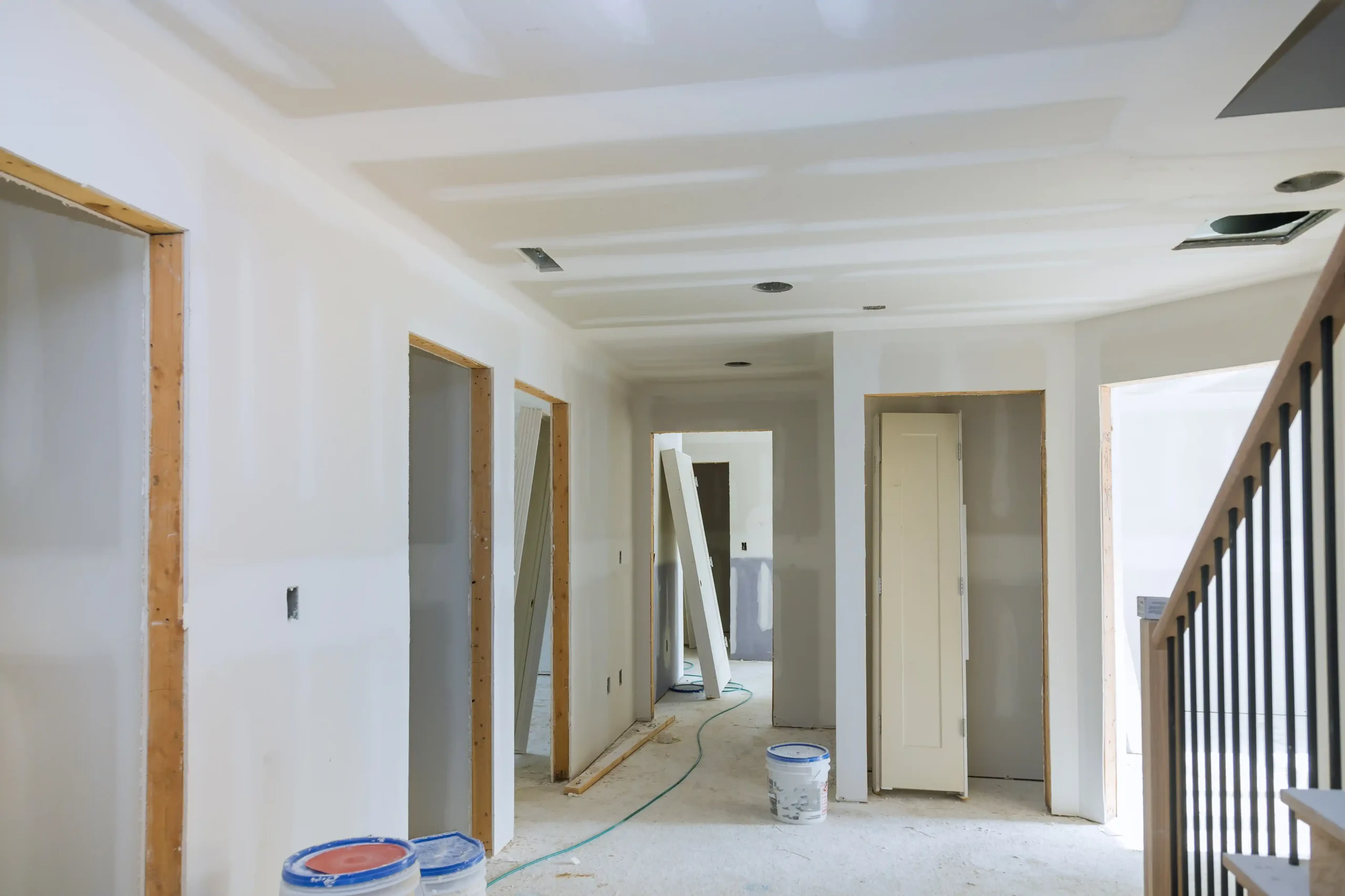
Cheap siding, bad lumber, or budget windows will ruin your Glendale renovation. Do not just stare at the upfront price tag or copy pretty pictures from social media. Out here by the Verdugo Mountains, the brutal valley heat, fire risks, and moving soil destroy cheap materials fast. Your build needs to focus on pure structural survival. Buying high-grade products for your major Home Remodeling and Addition in Glendale, CA is the only way to avoid endless patch-up bills later.
- Fire-Rated Exterior Siding and Roof Materials
Glendale has brutal wildfire safety codes, especially near the hills. Wrapping a new extension in cheap cedar siding or basic shingles is asking for trouble. Use fiber-cement boards or traditional thick stucco instead. These products do not catch spark, they do not crack under intense sun, and you do not have to paint them every five years. Spending money on non-combustible materials during an extensive Home Remodeling and Addition in Glendale, CA protects your equity and keeps your insurance company from dropping your coverage. - High-Performance Glass for Valley Heat
The summer sun here kills air conditioners. Cheap window glass turns a new room into an oven by July. You need dual-pane setups with low-E coatings to bounce solar rays away. This glass stops the heat but keeps the indoor air cold. Putting premium glass into your custom Home Remodeling and Addition in Glendale, CA keeps your frames from warping when temperatures spike. - Engineered Framing Over Standard Lumber
Moisture and heat expansion will warp standard framing lumber inside your walls over time. When your studs twist, your drywall cracks and your doors stop latching right. Using engineered wood beams for the main structural spans prevents this entirely. It costs a bit more during the initial structural Home Remodeling and Addition in Glendale, CA, but it stays perfectly straight for decades, keeping your walls flat and your ceiling lines straight. - Non-Porous Surfaces for Kitchen and Bath Zones
Bathrooms and kitchens destroy cheap materials via steam and water leaks. Particle-board cabinets swell up and fall apart the second a pipe drips. Choose solid plywood boxes and quartz countertops instead of cheap laminate or soft marble. Investing in heavy-duty interior finishes for your premium Home Remodeling and Addition in Glendale, CA means your high-use rooms won’t rot out from daily water exposure.
Conclusion
Going cheap on building supplies always backfires on a homeowner. MohernTitan Construction builds extensions meant to handle the harsh local climate. We help you pick durable, fire-safe, and earthquake-stable materials for your profitable Home Remodeling and Addition in Glendale, CA so you don’t waste cash on future repairs. Call our office today to plan a project that lasts.
Frequently Asked Questions
What flooring holds up best in a new room addition?
Stick to luxury vinyl plank or engineered options. Solid wood warps the second humidity shifts. Using stable materials keeps your successful Home Remodeling and Addition in Glendale, CA flat and clean for years.
Does the city force you to use fire-rated materials?
Yes. If your lot is in a high-fire zone, you will fail inspection. The city requires non-combustible eaves and specific roofing styles before giving a final sign-off.
Should I choose quartz or marble for new kitchen counters?
Pick quartz. Marble stains, scratches, and cracks if you actually use your kitchen. Quartz handles hot pans and messy spills without needing annual sealing.
Will heavy-duty materials drop my home insurance costs?
Sometimes. Installing fire-proof siding or impact-rated roofs can land you a premium discount. It just lowers the overall risk of a total burn.
How do I stop drywall from cracking during local earthquakes?
You need proper shear walls and heavy tie-downs. Adding tough structural hardware to your modern Home Remodeling and Addition in Glendale, CA lets the extension flex with the ground instead of snapping the plaster.